
Total Health
The Perfect Pair: Why We Love Combining Paxaid and Vibactra Plus

As pet parents, we are always looking for the best ways to support our furry friends and help them maintain optimal wellness. Sometimes, a single supplement does the trick, but other times, pairing two targeted formulas can provide the comprehensive, multi-system support your pet needs to thrive. One of our absolute favorite combinations is Paxaid…
Read MoreKennel Training a Puppy at Night

Bringing home a new puppy is exciting, but bedtime can sometimes bring a mix of confusion and anxiety for your new companion. Kennel training—also known as crate training—is one of the most effective ways to help your puppy adjust to nighttime routines, feel secure, and learn independence in a calm and structured way. With patience…
Read MoreCognitive Support for Dogs – Keeping Minds Sharp at Any Age

Just as our bodies benefit from exercise, our pets’ minds benefit from enrichment, purpose, and supportive nutrition. While cognitive decline is a natural part of aging, there are many ways you can help support normal brain function in your dog. From mental games to balanced nutrition, small daily habits can make a lasting difference in…
Read MoreHeartworm Prevention: Why Your Dog Needs Year-Round Protection

Heartworm disease (caused by Dirofilaria immitis) is a serious and potentially fatal condition that has been diagnosed in dogs in all 50 states of the U.S. and around the globe. As heartworms are spread by mosquitoes, protection is necessary wherever mosquitoes exist. The American Heartworm Society (AHS) strongly recommends year-round prevention for all dogs. 3…
Read MoreAre Alcohol Herbal Tinctures Safe for Pets?

You pour your dog’s dinner, reach for the little dropper bottle, and pause—“Wait… alcohol?” If you’ve wondered whether pet-formulated alcohol herbal tinctures are appropriate, you’re not alone. Here’s a calm, practical look—no debates—just clear guidance that supports why many pet parents (and pet brands) use alcohol-based tinctures responsibly and confidently. The short answer Pet-formulated alcohol…
Read MorePrepare Your Pet for a Smooth Seasonal Transition with Proactive Wellness Support

As the weather cools and the seasons shift, we layer on sweaters and adjust our routines for the winter months. But what about our pets? Just like us, dogs and cats experience changes in their daily environment when colder months arrive — from routine adjustments to more time indoors. That’s why winter is a great…
Read MoreUnderstanding Canine Parvovirus: Digestive Health & Rescue Efforts

Canine Parvovirus, commonly known as Parvo, is a highly contagious virus that primarily affects puppies and rescue animals. It attacks the digestive system, leading to severe dehydration, loss of appetite, vomiting, and life-threatening diarrhea. Because of its aggressive nature, Parvo requires intensive care and supportive measures to help affected dogs regain their strength. In this…
Read MoreWhy Natural Pet Care Matters: Understanding the Benefits of Herbal Support
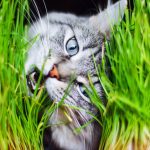
For centuries, herbal remedies have played a significant role in human and animal wellness. As modern pet owners become more aware of long-term health strategies, many are turning to natural alternatives to support their pets’ well-being. The shift toward holistic pet care isn’t just a trend—it’s a return to time-tested practices that work in harmony…
Read MoreSigns of Nutritional Deficiencies in Dogs & How to Address Them

A well-balanced diet is essential for a dog’s energy levels, immune system, and overall health. While many commercial pet foods claim to provide complete nutrition, some processed diets may lack essential vitamins, minerals, and nutrients due to factors like over-processing and ingredient quality. Nutritional deficiencies in dogs often develop gradually, making them difficult to detect…
Read MoreNatural Alternatives to Chemical Flea & Tick Treatments

Fleas and ticks are persistent parasites that can pose serious health risks for dogs, including skin irritation, anemia, and the transmission of diseases such as Lyme disease or ehrlichiosis. While conventional chemical treatments are widely used and often effective, many pet owners are concerned about potential side effects and are exploring safer, more natural alternatives.…
Read More