
Common Household Toxins That Affect Your Pet’s Health
Your home may feel like a safe haven but for pets, many common items can pose serious risks to their health. Whether ingested, inhaled, or absorbed through the skin, household toxins can negatively affect organ function, energy levels, and overall wellness in pets. Understanding what’s dangerous and how to reduce exposure is a key part of maintaining your pet’s long-term health.
1. Cleaning Products
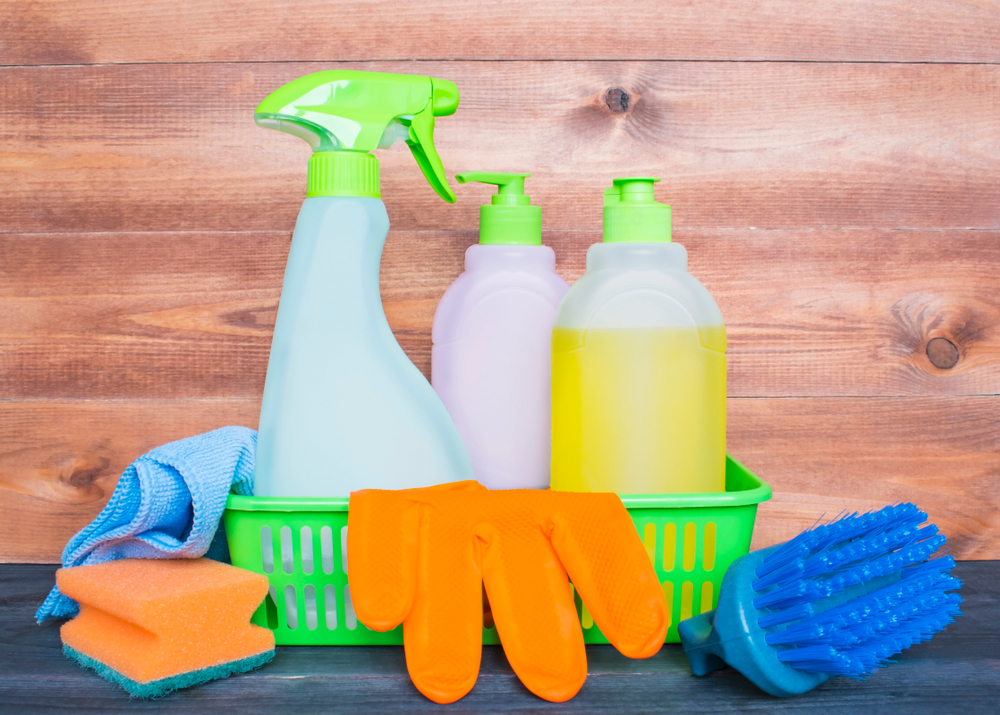
Disinfectants, bleach, floor cleaners, and aerosol sprays often contain ingredients like ammonia, phenols, and chlorine all of which can be toxic to pets.
Risks:
- Skin and respiratory irritation
- Liver and kidney stress from chemical exposure
- Neurological issues if ingested
Safer alternatives include plant-based cleaners labeled pet-safe or diluted white vinegar for non-porous surfaces.
2. Essential Oils & Fragrance Diffusers
While popular for wellness and mood, many essential oils can be harmful — especially to cats and small pets.
Common culprits: Tea tree, eucalyptus, cinnamon, citrus, and peppermint oils.
Risks:
- Liver toxicity (especially in cats)
- Vomiting or drooling
- Muscle tremors or respiratory distress
3. Houseplants
Beautiful houseplants can be surprisingly dangerous. Popular varieties like:
- Lilies (toxic to cats, even pollen or vase water)
- Pothos, philodendron, and dieffenbachia (can cause oral irritation, vomiting)
- Aloe vera and sago palm (can impact liver function)
Pet-safe alternatives include spider plants, bamboo palm, and African violets.
4. Over-the-Counter Medications
Pain relievers like ibuprofen, acetaminophen (Tylenol), and cold medications are all extremely toxic to pets.
Even small amounts can lead to:
- Liver damage
- Kidney failure
- GI ulcers and bleeding
5. Laundry Pods & Detergents
The concentrated chemicals in single-use laundry pods and certain detergents can cause drooling, vomiting, and respiratory issues in pets, especially if bitten into or licked.
What You Can Do
- Store all cleaners and medications out of reach
- Use pet-safe alternatives when possible
- Limit access to rooms during cleaning or oil diffusing
- Regularly check your home for hidden hazards
- Ask your veterinarian about safe detox or organ support options when needed
Protecting Your Pet Starts at Home
Toxin exposure is one of the most preventable risks to your pet’s long-term health. By creating a pet-safe environment and being mindful of hidden dangers, you give your companion the best chance at a healthy, vibrant life.