
Cognitive Support for Dogs – Keeping Minds Sharp at Any Age
Just as our bodies benefit from exercise, our pets’ minds benefit from enrichment, purpose, and supportive nutrition. While cognitive decline is a natural part of aging, there are many ways you can help support normal brain function in your dog. From mental games to balanced nutrition, small daily habits can make a lasting difference in keeping your companion’s mind sharp and engaged.
Supporting Normal Cognitive Function
Cognitive health depends on many factors: genetics, environment, nutrition, and daily stimulation. Research shows that environmental enrichment and proper diet can support brain cell function and help maintain learning ability as dogs age.
1. Enrichment and Mental Stimulation
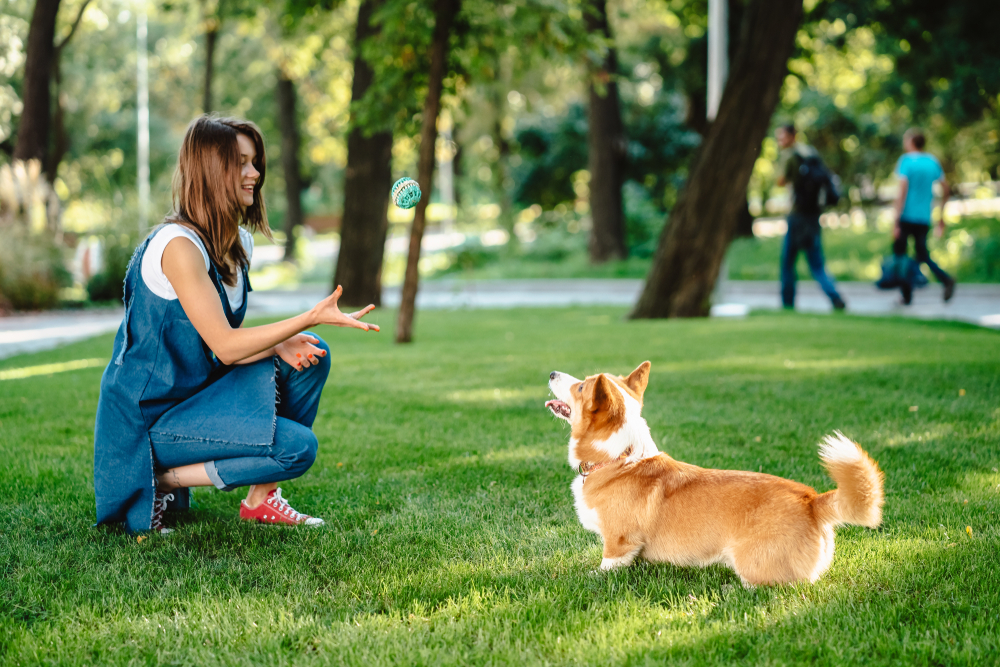
- Provide interactive toys such as puzzle feeders and treat-dispensing games that challenge your dog to think and problem-solve.
- Add scent work by hiding treats around the home or yard—sniffing engages large parts of the canine brain.
- Keep training sessions short and positive; teaching even simple tricks stimulates memory and focus.
2. Physical Activity for Brain and Body
Movement helps maintain circulation, which supports the delivery of oxygen and nutrients to the brain. Choose activities suited to your dog’s comfort level: shorter walks, swimming, or gentle play. Incorporate brain and body exercises, such as practicing cues during walks or encouraging gentle obstacle navigation.
3. Nutritional Support and Antioxidants
Dogs’ brains are affected by oxidative stress over time. Diets rich in antioxidants (vitamins E and C, carotenoids, omega-3 fatty acids) may help maintain normal cellular health. Discuss antioxidant or mitochondrial support ingredients with your veterinarian before adding them to your pet’s regimen.
- Include antioxidant-rich foods (vitamins E and C, carotenoids)
- Add omega-3 fatty acids for brain support
- Consult your veterinarian about mitochondrial support ingredients
4. Routine and Predictability
Consistency helps older dogs feel secure. Keep a stable schedule for feeding, exercise, and bedtime. Avoid frequent rearrangement of furniture or sleeping areas. Familiar layouts support normal internal balance.
- Maintain consistent feeding and exercise schedules
- Keep furniture and sleeping areas in familiar locations
- Establish predictable daily routines
5. Monitoring and Proactive Care
Observation is key to supporting your aging dog. Share any changes in behavior or routine patterns with your veterinarian. Many vets now offer cognitive health checklists or scoring tools to help pet parents assess subtle shifts over time.
Final Thoughts
Cognitive support isn’t about reversing time; it’s about celebrating the connection you’ve built and ensuring your companion thrives at every stage of life.