
Posts by Amber NaturalZ
Prepare Your Pet for a Smooth Seasonal Transition with Proactive Wellness Support

As the weather cools and the seasons shift, we layer on sweaters and adjust our routines for the winter months. But what about our pets? Just like us, dogs and cats experience changes in their daily environment when colder months arrive — from routine adjustments to more time indoors. That’s why winter is a great…
Read MoreHow To Support Your Reptiles Wellbeing

Reptiles are fascinating pets with unique needs. From diet and hydration to lighting and temperature, small adjustments in care can make a big difference. Understanding how to support your reptile’s normal body functions helps them thrive. 1. Hydration and Shedding Proper hydration is essential for reptile wellness. Provide access to clean water and maintain appropriate…
Read MoreSupporting Ear Health In Pets

Maintaining good ear health is essential to your pet’s overall wellness. Dogs and cats rely on their ears not just for hearing but also for balance, communication, and awareness of their environment. Supporting this delicate structure through gentle, regular care can help promote long-term comfort. Why Ear Health Matters The ear is a complex sensory…
Read MoreUnderstanding Canine Parvovirus: Digestive Health & Rescue Efforts

Canine Parvovirus, commonly known as Parvo, is a highly contagious virus that primarily affects puppies and rescue animals. It attacks the digestive system, leading to severe dehydration, loss of appetite, vomiting, and life-threatening diarrhea. Because of its aggressive nature, Parvo requires intensive care and supportive measures to help affected dogs regain their strength. In this…
Read MoreWhy Natural Pet Care Matters: Understanding the Benefits of Herbal Support
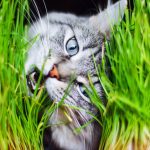
For centuries, herbal remedies have played a significant role in human and animal wellness. As modern pet owners become more aware of long-term health strategies, many are turning to natural alternatives to support their pets’ well-being. The shift toward holistic pet care isn’t just a trend—it’s a return to time-tested practices that work in harmony…
Read MoreSigns of Nutritional Deficiencies in Dogs & How to Address Them

A well-balanced diet is essential for a dog’s energy levels, immune system, and overall health. While many commercial pet foods claim to provide complete nutrition, some processed diets may lack essential vitamins, minerals, and nutrients due to factors like over-processing and ingredient quality. Nutritional deficiencies in dogs often develop gradually, making them difficult to detect…
Read MoreNatural Alternatives to Chemical Flea & Tick Treatments

Fleas and ticks are persistent parasites that can pose serious health risks for dogs, including skin irritation, anemia, and the transmission of diseases such as Lyme disease or ehrlichiosis. While conventional chemical treatments are widely used and often effective, many pet owners are concerned about potential side effects and are exploring safer, more natural alternatives.…
Read MoreHow to Tell If Your Pet Could Benefit from a Gentle Detox

Just like humans, pets are exposed to toxins every day from their environment, food, medications, and even common household products. While your pet’s body has natural detoxification systems, sometimes those systems can become overwhelmed. That’s where a gentle, supportive detox routine may help keep your pet feeling balanced and well, especially when done with care,…
Read MoreHow to Support Senior Dogs Naturally: Maintaining Mobility & Vitality

Aging is a natural part of a dog’s life, but just like humans, senior dogs experience changes in mobility, energy levels, digestion, and joint function as they grow older. While aging is inevitable, pet owners can take proactive steps to support their dog’s long-term health and vitality using natural approaches. By focusing on nutrition, mobility…
Read MoreHow to Create a Holistic First Aid Kit for Your Dog
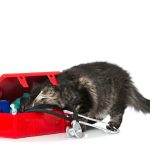
Having a well-prepared first aid kit tailored for your dog can make a significant difference during minor emergencies or health concerns. By combining both conventional and holistic elements, you can provide well-rounded care that supports your dog’s wellness in a safe and natural way. Building Your First Aid Foundation A first aid kit should be…
Read More