
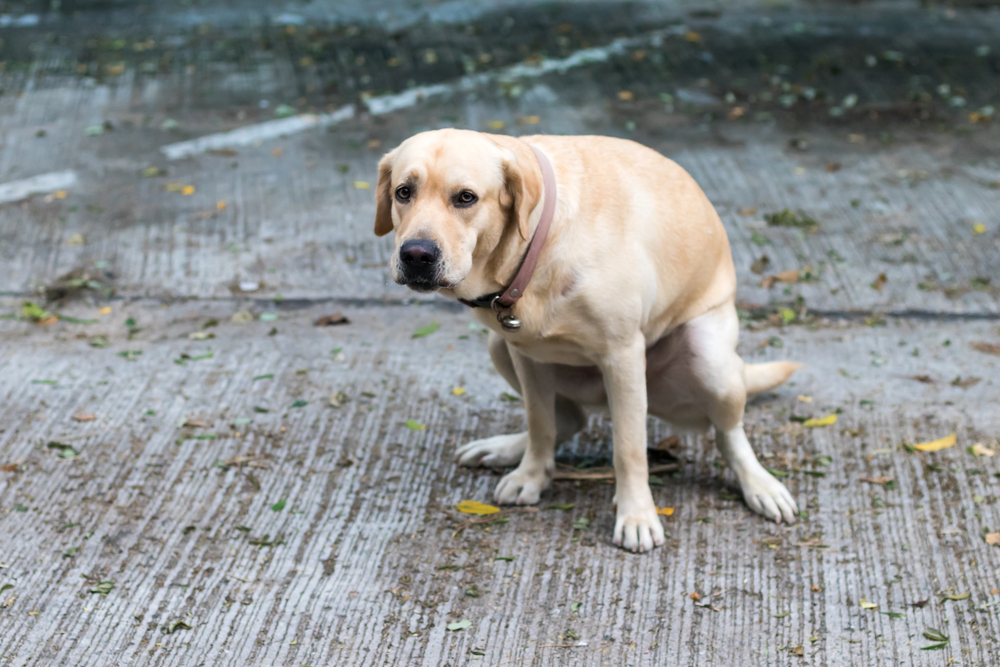
Firm Stools = Happy Pets: What Your Pet’s Stool Says About Their Health
As pet owners, we often notice the big signs that indicate something’s wrong with our pets, like a change in their appetite or behavior. However, one of the most important yet overlooked indicators of your pet’s health is its stool. It might seem a little uncomfortable to talk about, but the state of your pet’s stool can reveal a lot about their digestive health and overall well-being. In fact, firm, well-formed stools are often a sign of a happy, healthy pet.
Why Stool Matters: The Digestive Health Connection
Just like humans, pets rely on a healthy digestive system to absorb nutrients from their food and maintain their energy levels. Your pet’s stool, or feces, is essentially a byproduct of the digestive process. The consistency, color, and frequency of your pet’s stool can indicate how well their digestive system functions.
Firm stools are typically an indication that your pet’s digestive system is in balance, meaning they’re absorbing the necessary nutrients from their food, and their gastrointestinal (GI) system is working as it should. On the other hand, diarrhea or soft stools can be signs of issues such as food intolerance, infection, or stress. A sudden change in stool quality should never be ignored, as it might indicate that your pet is struggling with a digestive problem.
What Firm Stools Tell You
Good Digestion and Nutrient Absorption
Firm stools suggest that your pet is properly digesting and absorbing nutrients from its food. This is a good sign that its diet is balanced and provides the fiber and nutrients needed for a healthy gut. Firm stools also mean your pet’s GI tract is not being overwhelmed by excess food or harmful bacteria, which could otherwise lead to digestive discomfort.
Balanced Diet
A firm stool often means your pet is eating a high-quality, well-balanced diet with adequate fiber. If your pet’s stool is firm, it’s likely that they are receiving the right amount of nutrients, which support healthy digestion. Pet food brands that are rich in fiber from natural sources, such as pumpkin, sweet potatoes, or carrots, can help support healthy stool consistency.
Hydration and Hydration Levels
Proper hydration is also key to maintaining firm stools. If your pet’s stools are too hard, it might be a sign that they are not drinking enough water. On the other hand, diarrhea or loose stools could be linked to dehydration, which can happen quickly in pets, especially in hot weather or during illness.
What Loose or Diarrhea Stool Can Indicate
While firm stools are a positive sign, loose or diarrhea stools can indicate a number of potential issues. If your pet’s stool is unusually soft, watery, or even bloody, it may be time to consult your veterinarian. Common causes for loose stools include:
- Dietary changes or food intolerance: Sudden changes in diet or food that do not agree with your pet can result in softer stools or diarrhea. Transitioning between foods too quickly can also upset their digestive system.
- Stress and Anxiety: Pets, like humans, can experience stress and anxiety, which can lead to changes in their stool. This can happen during travel, visits to the vet, or changes in their environment.
- Parasites and infections: Intestinal parasites or infections like bacteria or viruses can cause gastrointestinal distress in pets, leading to diarrhea.
- Underlying health issues: More serious conditions like pancreatitis, inflammatory bowel disease, or other gastrointestinal diseases can manifest through changes in stool consistency. If your pet’s stool is consistently loose, it’s important to get them checked out by a vet.
How to Help Maintain Firm Stools
Balanced, High-Quality Diet
The best way to ensure your pet has firm stools is to feed them a high-quality, balanced diet that suits their specific nutritional needs. Consider consulting with your vet to find the right food for your pet, especially if they have dietary sensitivities or health conditions.
Regular Exercise
Regular physical activity helps keep your pet’s digestive system functioning properly. Exercise stimulates healthy bowel movements and promotes overall well-being.
Hydration
Always ensure that your pet has access to fresh water. Proper hydration helps keep their stools firm, as dehydration can lead to constipation and harder stools.
Gradual Food Transitions
If you need to change your pet’s food, do so gradually over the course of a week or so to give their digestive system time to adjust. This reduces the likelihood of digestive upset and soft stools.
Conclusion
Paying attention to your pet’s stool is one of the simplest ways to gauge their health and ensure they’re feeling their best. Firm stools are a sign of a well-functioning digestive system, a balanced diet, and proper hydration, all of which contribute to a happy, healthy pet. If your pet’s stool quality changes significantly, or if you notice any signs of discomfort, it’s always best to consult your veterinarian to rule out any underlying health concerns.
Keeping an eye on these subtle but telling signs will help you maintain your pet’s digestive health and ensure their continued happiness.